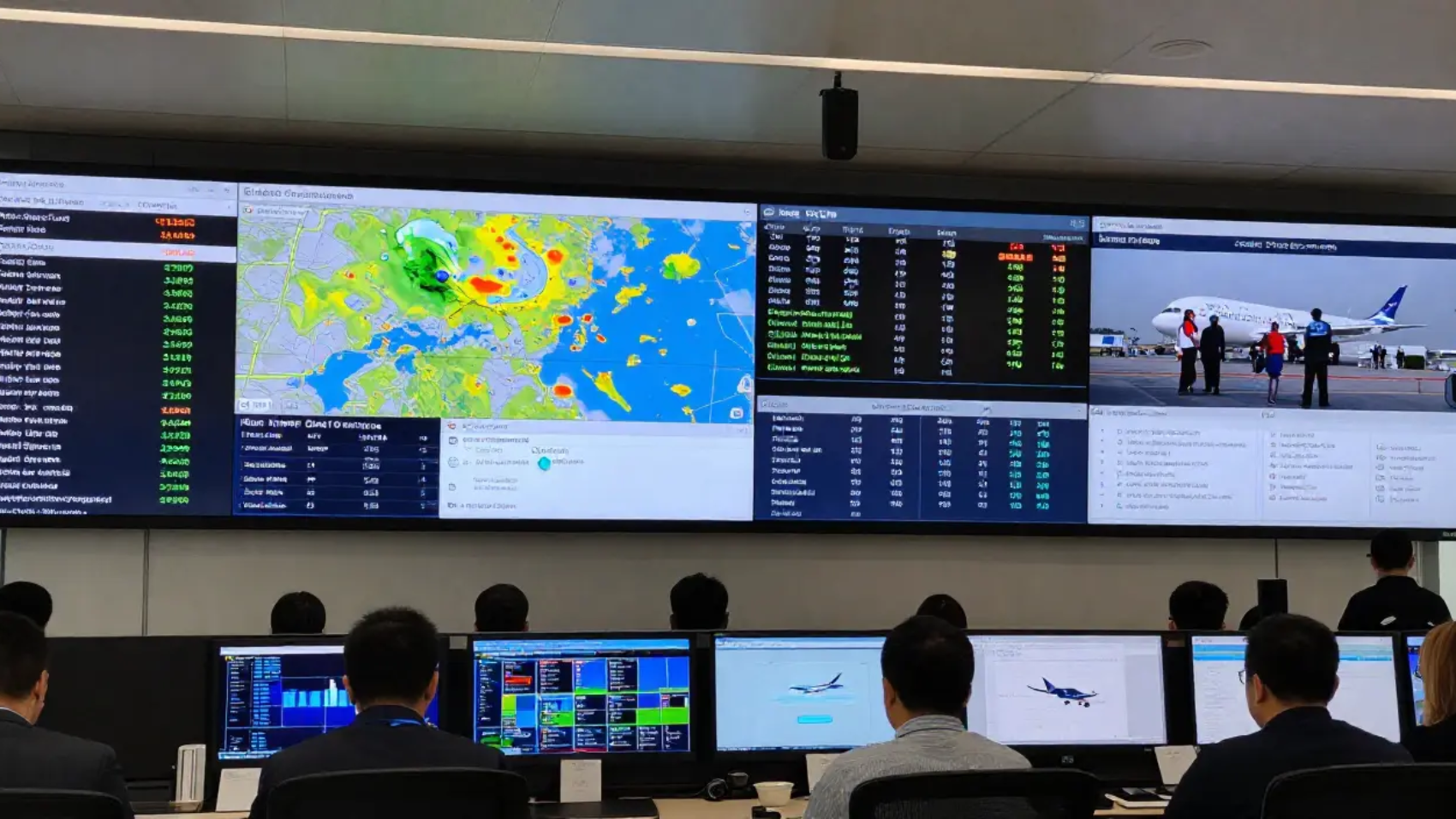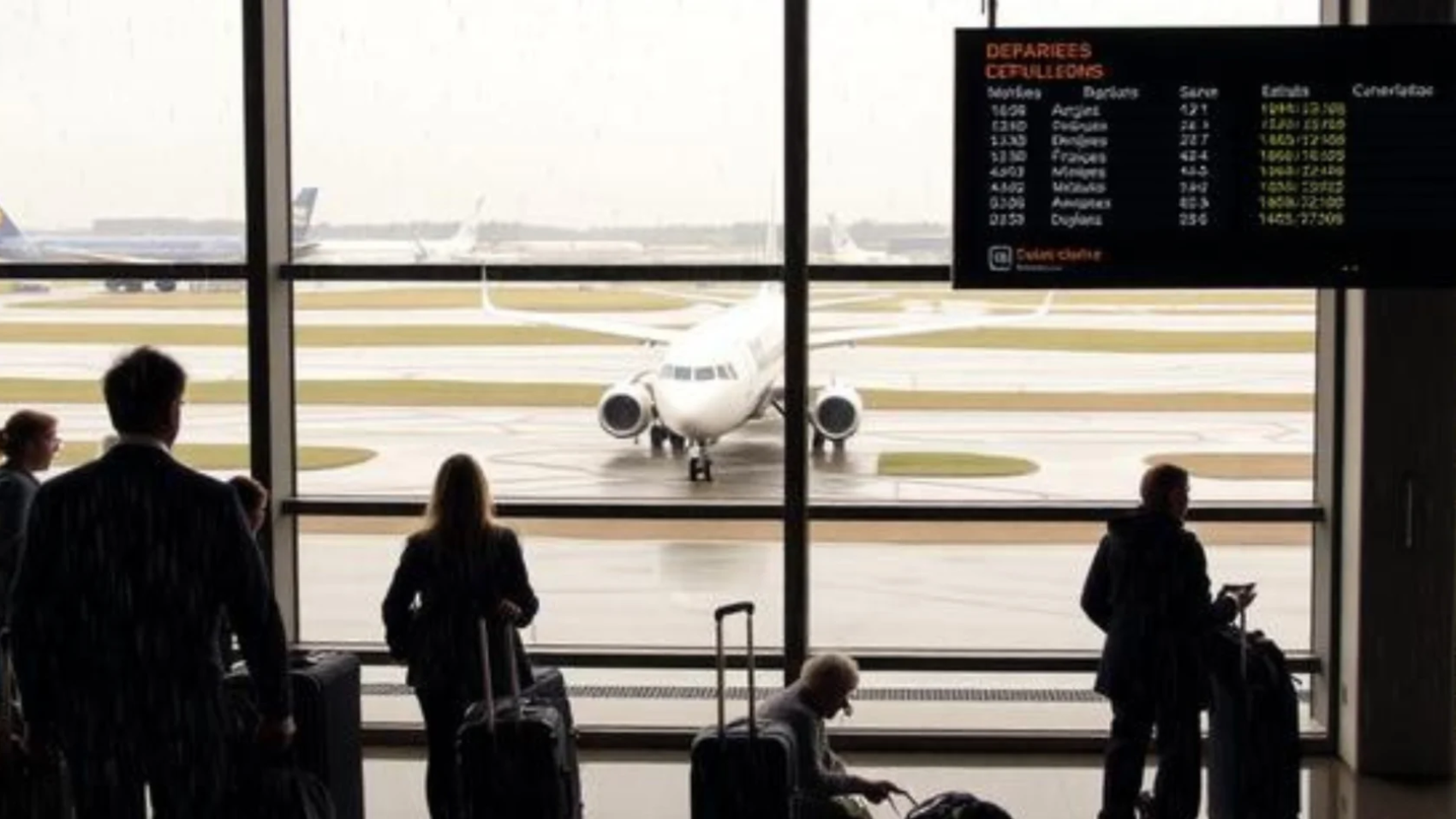

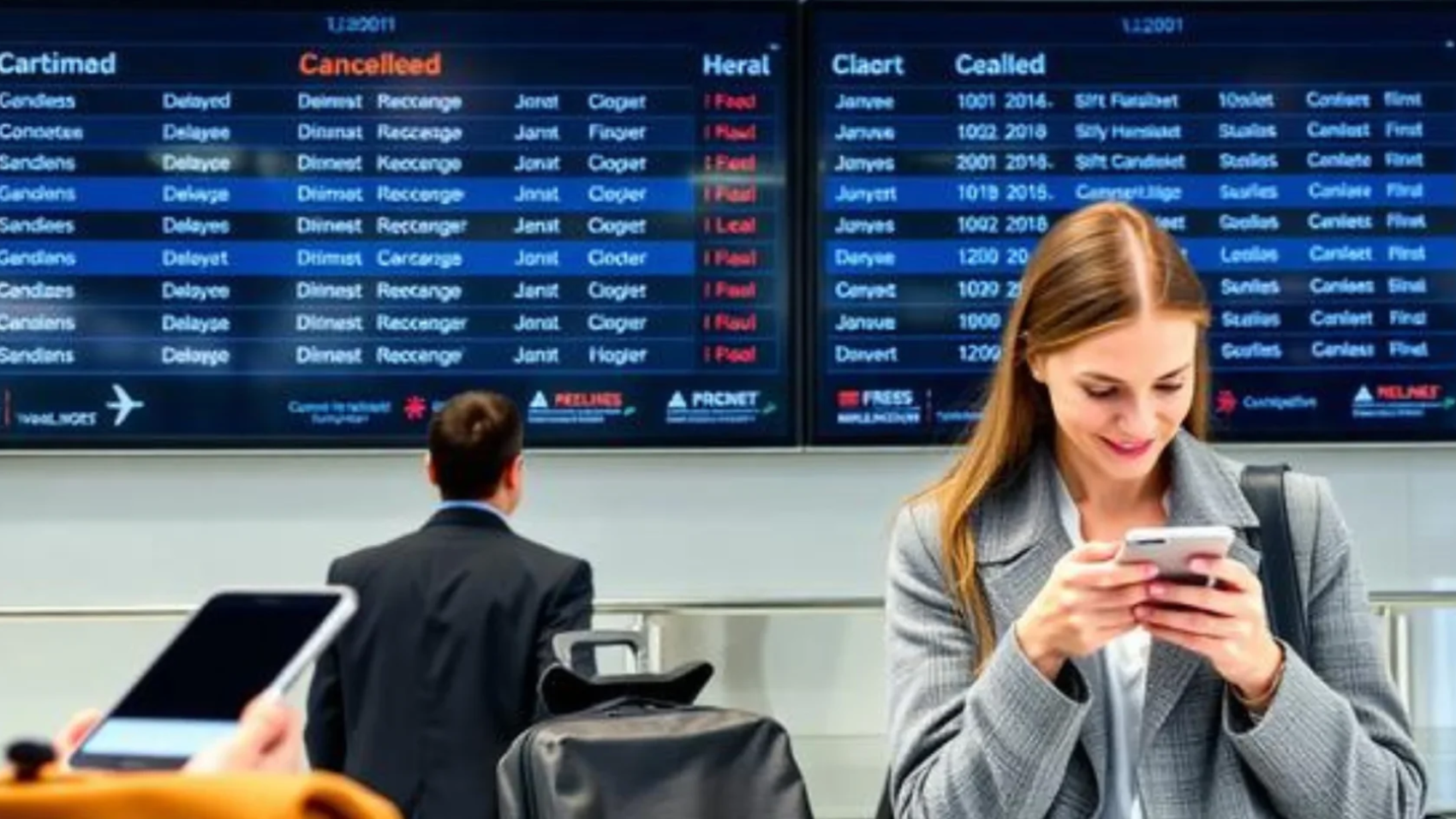
Airline disruptions have joined the mile-high club of expected inconveniences in modern air travel. Weather shifts, airspace congestion, maintenance challenges, and crew availability can cause unexpected interruptions at any moment. While the airlines continue to strengthen operational resilience in every way, one truth has emerged across the industry: passengers demand immediate control the instant their plans are affected.
Today’s passengers will not wait in queues or sit on long calls to understand their options. They want clarity on what their options are, a chance to make their own choices, and the ability to act then and there. This has changed how airlines think about disruption management-and it has made self-service a must-have capability rather than a nice-to-have add-on.
In that sense, modern airline disruption management software recognizes self-service as an integral part of the recovery workflow, making what earlier was a feature of support into a core operational function.
Overview The two main tasks when describing structure are stating positions and depicting orientation.
- It eliminates bottlenecks and passenger frustration during disruptions.
- Passengers prefer digital autonomy rather than dependence on airport service desks.
- It cuts down on workload, speeds up the process of recovery, and improves satisfaction among airlines.
- Real-time automation ensures that communication is consistent and accurate.
Today, self-service is a basic requirement of disruption strategies.
What is a Self-Service Portal?
A self-service portal is a digital platform which empowers passengers to independently manage each and every disruption-related action. As opposed to relying on customer service teams, passengers can now:
- View disruption information
- See alternative travel options
- Rebook their journey
- Select vouchers or refunds
- Access updated documents
- Keep informed about every step of the process.
The portal connects directly with airline systems to enable accurate and timely updates. It enables self-service reaccommodation that empowers passengers to resolve disruptions instantly with confidence.
Self-service portals have become a must because they offer speed, transparency, and reliability-all qualities passengers now consider more essential than optional.
Why Self-Service Has Become Mandatory in Disruption Management
1. Passengers Expect Immediate Control
Travelers of today are used to managing everything pertaining to their journey on their devices. When a disruption happens, the need for self-management reaches an entirely new dimension. Self-service gives passengers the ability to understand their options without delay.
2. Manual Processes Cannot Scale During Irregular Operations
Traditional workflows heavily rely on airport desks and call centers, which get clogged with calls during disruptions. Self-service portals distribute the pressure, enabling passengers to handle routine adjustments all by themselves.
3. Speed Defines Passenger Satisfaction
During disruption scenarios, delayed information engenders frustration. With self-service, passengers can take action the minute that they get an update, a feature that bolsters their confidence in how an airline approaches the handling of the situation.
4. Accuracy and Consistency Improve
Manual decision-making during high-pressure events can introduce variation. Self-service ensures every passenger receives consistent, policy-aligned options without the possibility of miscommunication.
5. Operational Teams Can Focus on Complex Cases
It means that when routine re-accommodation is automated, customer service and operational teams are freed to focus on passengers who genuinely need human support.
This fits naturally with the aim of modern airline management software, which emphasizes automation and efficiency in operations.
How Self-Service Re-Accommodation Works During Disruptions
1. Instant Alternative Flight Options become available
It means that passengers can consider available reaccommodation flight options themselves without any assistance from staff.
2. Intelligent Recommendations Guide the Best Choice
The system considers passenger needs, fare conditions, and operational constraints in offering appropriate options.
3. Immediate ticket re-issue, updated document provision
Once an alternative is chosen by the passenger, tickets, boarding passes, and itineraries get updated automatically.
4. Multichannel Notifications Keep Passengers Informed
Passengers are kept updated along the process of irops reaccommodation consistently via SMS, email, and WhatsApp.
5. Automated Actions Subject to Human Oversight
Airline service teams are still able to intervene, where needed, allowing flexibility within the automation for regular scenarios.
Why Airlines Can’t Rely on Manual Processes Any Longer
Airlines operate in an increasingly complex ecosystem. Relying exclusively on manual rebooking generates numerous challenges, such as:
- Long queues at the airport
- High call-center pressure
- Slow recoveries from large-scale disruptions.
- Inconsistent communications
- Higher emotional stress for passengers
- Reduced satisfaction and trust
As the world has moved on, modern disruption management now requires speed, clarity, and automation-elements that manual processes cannot reliably deliver at scale. This shift drives airlines to increasingly adopt advanced airline disruption management solutions capable of supporting automated passenger journeys.
How VoyagerAid Makes Self-Service Simple and Essential
VoyagerAid aims to satisfy the disruption management needs of today’s airlines by bringing together automation, intelligence, and deep system integration.
1. United Self-Service Portal
It provides an easy, end-to-end experience for passengers to handle their disruption. This addresses the second use of the Self-Service Portal.
2. Intelligent self-service reaccommodation Engine
VoyagerAid automates the entire rebooking process for accurate, policy-compliant, and easy self-service reaccommodation.
3. Prioritizing the passenger and personalisation
The system recognizes significant categories-families, SSR, VIP, strongly connected passengers-and creates options reflecting this.
4. End-to-End Integration across Airline Systems
VoyagerAid interfaces with PSS, DCS, crew management, maintenance systems, CRM, and operations control. That allows for a consistent user experience, which is in line with the operational reality of an airline and forms the backbone for an airline disruption management system.
5. Ongoing, Current Communication
Those passengers will continue to be updated as their reaccommodation progresses-a fact that greatly reduces confusion and builds trust.
6. Improved Operational Efficiency
By automating standard disruption flows, VoyagerAid gives more time to operational teams to focus on complex recovery decisions.
With support for the full lifecycle of disruption recovery, VoyagerAid is a solid addition to any modern flight disruption management system.
Why Self-Service Represents the Future of Airline Disruption Recovery
Airline operations are increasingly interconnected and more dependent on digital infrastructure. Naturally, self-service fits within this evolution because it:
- Scales up in real-time during high-pressure events
- Reduces dependency on manpower
- Enables faster recovery
- Improves clarity of communication.
- Supports passenger expectations of autonomy
- Strengthens digital maturity of the airline
For airlines looking to advance their technology and operational resilience, self-service is more than a trend-it’s a basic need.
With this in mind, self-service natively fits within today’s airline disruption management software to further generate a responsive and agile recovery environment.
Conclusion
The airlines that move to self-service now will handle disruptions with greater efficiency and more confidence. Those that continue to rely wholly on manual workflows will continue to create unnecessary difficulties: long queues, overwhelmed staff, stressed passengers, and slower recovery. VoyagerAid offers a full self-service portal for airline disruptions, making disruption management faster, more controlled, and passenger-friendly. It acts as the operational backbone for modern airline disruption recovery due to deeper automation, intelligent routing, and unified communication.