

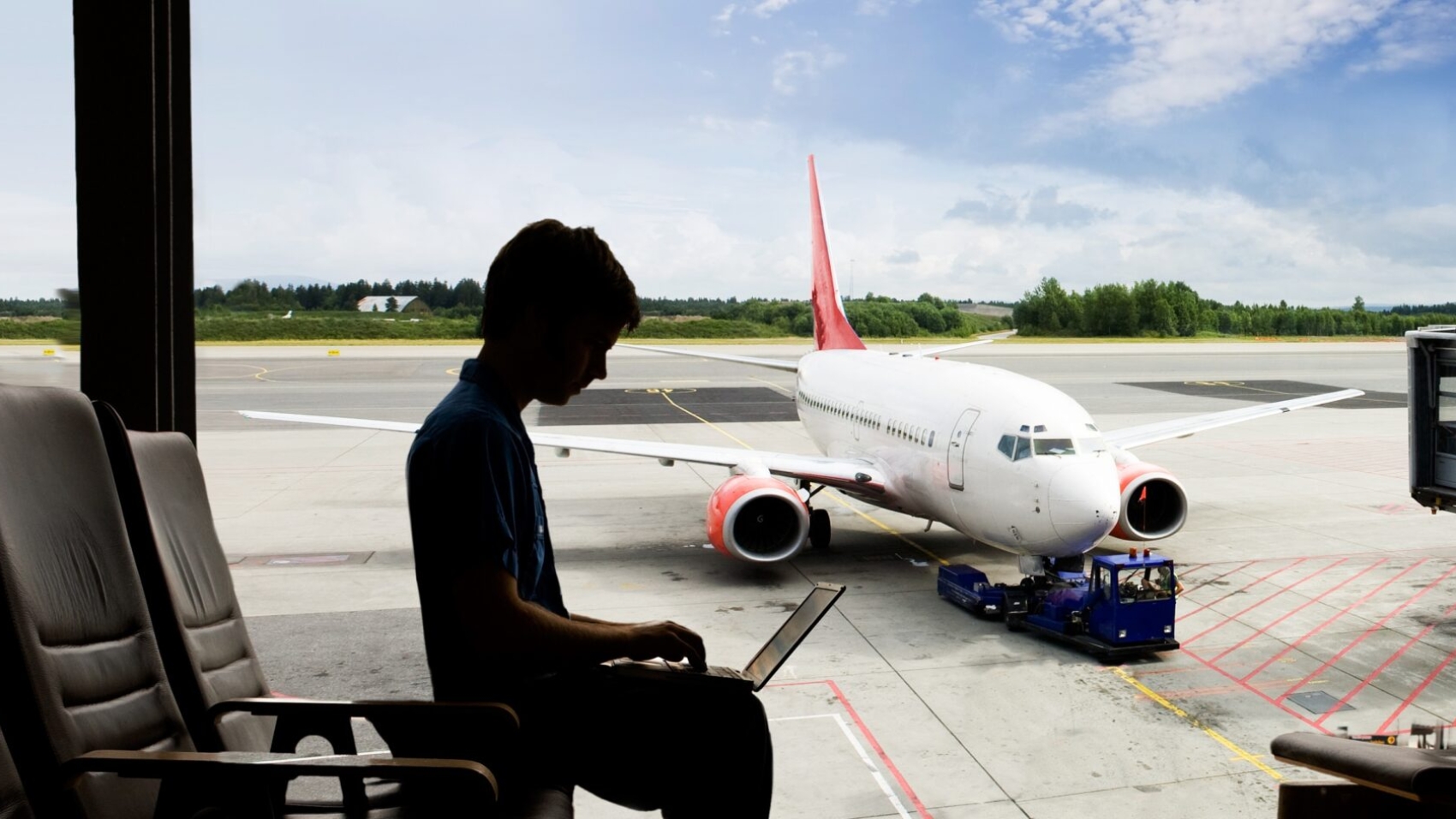
Passengers facing difficulties at airport self-service portal due to system issues

Common Pitfalls in Implementing Passenger Self-Service Systems

Introduction

Self-service portals for passengers have revolutionized the way airlines engage with travelers. Such online portals enable passengers to book, check-in, choose seats, handle baggage, and even obtain assistance-all from their screens. Airlines that adopt self-service portals seek to cut costs of operation, make processes smoother, and enhance passenger experience.

However, in spite of the obvious advantages of these portals, most airlines are unable to obtain their maximum potential. Many face typical difficulties such as poor uptake, integration problems, and operational inefficiencies. VoyagerAid assists airlines in overcoming these challenges, offering AI-powered advice, easy integration, and actionable analytics to make self-service portals truly productive.

Key Takeaway

  •  
  • A self-service portal that allows passengers to handle disruptions easily. It enables self re‑accommodation flight for quick and seamless rebooking. Passengers can also use self service reaccommodation options to manage their travel changes independently.
  • User-Centric Design Matters: The most sophisticated portal does not work if passengers are confused or perplexed about its workings.
  • Integration Drive Efficiency: Portals need to talk to every airline system seamlessly to avoid operational flaws and delays.
  • Staff plays a critical role: Enabled and trained staff can drive adoption and enhance the passenger experience. 
  • Passenger Diversity Cannot be ignored: Multilingual portals that support multiple languages, levels of tech comfort, and accessibility requirements are vital. 
  • Ongoing Monitoring is Crucial: Regular updates, maintenance, and actionable analytics keep portals performing and reliable.

Factors Affecting Success of Self-Service Portals

These are the most important factors that decide if a self-service portal can function properly:

Portal Accessibility and Device Compatibility

The portal must be fast, functional, and accessible on all devices – desktop, mobile, and tablet and across various browsers and operating systems. Accessibility features for disabled passengers are also a key consideration.

Speed and Reliability

Quick loading times, responsive user interfaces, and low downtime are crucial. Slow or unreliable portals hurt passenger satisfaction and adoption.

Personalization Capabilities

Portals that are tailored to individual passengers displaying relevant bookings, promotions, or reminders make the travel process more enjoyable and foster repeat use.

Security and Privacy Compliance

Secure transactions and passenger data protection instill trust. Compliance with regulatory standards such as GDPR is essential for credibility.

Scalability and Flexibility

Peak traffic volumes (holiday periods, large events) should be managed by portals without compromising performance, and they should easily adapt to new features or operational changes.

Integration Readiness

Although separate from Challenges, the portal’s integration with airline systems, payment gateways, and third-party services will define whether it can run long-term with ease.

Challenges in Rolling Out Self-Service Portals

Although the points mentioned above will determine success, airlines also experience practical challenges when rolling out:

  1. Poor User Experience

Airlines might prioritize deploying technology fast over creating a user-friendly passenger portal, which results in confusion, abandoned transactions, and low usage.

  1. Integration Gaps

Portals that stand alone from airline systems generate inconsistencies between reservations, check-ins, and baggage processing, resulting in operational mistakes and delays.

  1. Employee Resistance or Limited Training

Workers might see portals as competition for their jobs or not be ready to support passengers and hinder adoption and the passenger experience as a whole.

  1. Failure to Consider Passenger Diversity

Gateways created for technology-aware travelers usually overlook older travelers, global travelers, or passengers with special needs, causing frustration and heightened reliance on counters.

  1. Deficiencies in Maintenance and Support

In the absence of pro-actively monitoring and updating portals, they are prone to downtime, hangs, or security concerns, eroding passenger confidence and operational effectiveness.

  1. Misaligned Metrics

Concentrating solely on login frequencies or check-ins omits passenger satisfaction, transaction success, and error rates, and misses opportunities for ongoing improvement.

How VoyagerAid Assists

VoyagerAid solves these issues with an AI-powered, integrated, and passenger-centric solution:

Improved Passenger Experience

 VoyagerAid streamlines portal processes, anticipates passenger action, and offers personalized instructions so that check-ins, booking changes, and other activities are effortless.

Effortless System Integration

The platform integrates self-service portals with booking engines, departure control systems, baggage handling, loyalty schemes, and operational dashboards, with real-time synchronization.

Empowering Staff

Employees are provided with actionable information and advice in real time, allowing them to serve passengers effectively and drive portal adoption.

Accommodating Passenger Diversity

VoyagerAid caters to multilingual interfaces, accessibility, and customized advice for various segments of passengers.

Proactive Maintenance and Support

Predictive monitoring, alerts, and automatic updates maintain portals in top operating condition and security.

Actionable Analytics

The system monitors both operational KPIs and passenger satisfaction measures, offering insights to optimize portal performance continuously and improve the journey experience.

Conclusion

Self-service portals are more than electronic check-in devices – they are strategic assets that can boost passenger satisfaction and operational effectiveness. It takes user experience, system integration, staff preparedness, and passenger diversity for success. Airlines that discount these elements risk frustrated travelers, operational disruption, and unused technology.

VoyagerAid assists airlines in avoiding these pitfalls by providing AI-powered disruption Management solution insights, streamlined integration, employee empowerment, and actionable analytics. With VoyagerAid, self-service portals are not just operational but revolutionary, allowing airlines to address passengers’ expectations, enhance operational efficiency, and outdo competitors in an extremely competitive market.


VoyagerAid theme: proactive alerts, self-service portal, and KPIs visualized for airline disruptions.

6 Must-Have Features in Airline Disruption Management Tools

Introduction

Disruptions are no longer exceptional events in aviation, they are a daily operational reality. From severe weather and airspace congestion to crew shortages and technical delays, irregular operations (IROPS) strain both airline teams and passenger patience.

The challenge is that many airlines still rely on outdated approaches long airport queues, call centers, or mass emails to manage disruption. These methods not only frustrate passengers but also drive up operational costs.

This is where modern airline disruption management software makes the difference. Instead of reacting to problems with patchwork fixes, these systems help airlines predict, manage, and recover from disruptions in a way that safeguards both passengers and revenue.

But what makes a disruption management tool truly effective? Here are six must-have features every airline should consider when evaluating solutions. 

Key takeaways

  • Modern disruption management is predictive and proactive, reducing downstream operational and cost impact.
  • Omnichannel, real-time messaging establishes clear expectations and minimizes contact-center load.
  • Customer self-service portal  for rebooking, refunds, and ancillaries reduces recovery time and enhances satisfaction.
  • AI-based prioritization guarantees transparent, equitable reaccomodation that aligns with loyalty, connections, and policy.
  • Automated refunds and compensation simplify compliance (e.g., EU261/DoT) and eliminate revenue leakage.
  • Actionable analytics and KPIs support ongoing improvement in disruption response and cost management.
  • VoyagerAid makes all these capabilities end-to-end, transforming disruption management into a strategic enabler from a cost center.

What Makes a Modern Disruption Management Solution?

The best flight disruption management solutions do more than automate notifications or rebooking. They enable airlines to:

  • Keep passengers informed across all channels
  • Empower travelers with self-service options
  • Prioritize reaccomodation decisions intelligently
  • Anticipate disruptions before they escalate
  • Streamline refunds and compliance handling
  • Measure performance through data-driven insights

With these building blocks, disruption recovery shifts from being a cost burden to becoming a strategic capability.

  1. Real-Time Disruption Notifications

When flights are delayed or cancelled, communication becomes the first touchpoint that shapes passenger perception. Traditional methods like PA announcements or delayed emails often leave travelers in the dark.

Modern airline disruption management systems automate communication through multiple channels like SMS, email, WhatsApp, and mobile app push notifications ensuring timely updates at scale.

VoyagerAid’s notification engine helps airlines maintain transparency and reduce call-center overload, improving trust even during difficult moments.

  1. Self-Service Portal for Passengers

Today’s passengers expect control at their fingertips. Standing in long queues to rebook or calling hotlines for refund updates feels outdated in an era where most travel is digital.

A self-service portal empowers travelers to rebook flights, request refunds, or manage ancillaries directly from their devices. This not only improves satisfaction but also lowers disruption handling costs for the airline.

VoyagerAid’s web and mobile portals are designed to give passengers autonomy while keeping the airline’s policies and revenue interests intact.

  1. Passenger & Flight Scoring Mechanism

During large-scale disruptions, deciding who gets re-accommodated first is complex. A simple first-come-first-serve approach often frustrates loyal customers or those with urgent onward connections.

That’s where a passenger and flight scoring mechanism adds value. By using AI to weigh factors such as frequent flyer status, connecting itineraries, and passenger category, airlines can prioritize fairly and strategically.

VoyagerAid’s scoring engine helps airlines make transparent, data-backed decisions protecting both customer loyalty and revenue.

  1. AI-Powered Disruption Prediction

Disruption management is shifting from reactive to proactive. By analyzing weather data, historical flight performance, and operational variables, AI can forecast potential delays or cancellations before they occur.

With predictive insights, airlines can take pre-emptive action: adjust crew schedules, reposition aircraft, or notify passengers in advance. This reduces downstream costs and builds confidence with regulators and travelers alike.

VoyagerAid’s predictive disruption intelligence enables operations teams to plan ahead, turning uncertainty into foresight.

  1. Refund & Compensation Processing

Refunds and compensation are often the most frustrating part of disruptions for both passengers and airlines. Manual workflows cause delays, inconsistencies, and potential compliance risks under regulations like EU261 or U.S. DoT.

An effective flight disruption management system should streamline eligibility checks, automate approvals, and integrate directly with payment channels.

VoyagerAid simplifies refund and compensation processing, ensuring compliance, reducing revenue leakage, and restoring passenger trust after a disrupted journey.

  1. Analytics & Reporting

Disruptions generate valuable data, but without the right tools, it often goes unused. Airlines need clear answers: What caused the highest disruption costs last quarter? How quickly were passengers reaccommodated? Which policies proved most effective?

Analytics and reporting dashboards transform raw data into actionable insights. Airlines can identify patterns, track KPIs, and continuously refine their disruption management strategies.

VoyagerAid’s analytics suite provides visibility into disruption costs, passenger outcomes, and recovery efficiency enabling smarter, evidence-based decision-making.

VoyagerAid: Built for the Future of Airline Disruption Management

VoyagerAid isn’t just another airline management software. It is an AI-powered, end-to-end disruption management platform designed to handle every stage of irregular operations. From proactive prediction to automated notifications, from self-service rebooking to refund processing, VoyagerAid aligns with how the industry is evolving.

By combining automation, AI intelligence, and passenger-first design, VoyagerAid helps airlines manage disruptions with efficiency and empathy turning a once-costly burden into a differentiator for customer experience.

Conclusion

Disruptions may be inevitable, but poor management doesn’t have to be. Airlines that adopt these six must-have features will be better equipped to minimize costs, comply with regulations, and most importantly maintain passenger trust.

VoyagerAid is built to help airlines recover faster, operate smarter, and keep passengers in control when it matters most.

Discover how VoyagerAid can transform disruption recovery for your airline.

VoyagerAid vs. Traditional Tools | Airline Disruption Software

What Makes VoyagerAid Different from Traditional Disruption Tools

With the accelerating pace of change in today’s aviation industry, disruption isn’t just a fact of life – it’s a matter of survival. Airlines are confronted with mounting challenges from variable passenger demand, shifting regulations, uncertain weather conditions, and unexpected operational setbacks. Though conventional flight disruption solutions have helped airlines in the past, the nature of air travel today requires a more intelligent, more integrated solution. Enter VoyagerAid, a game-changing airline disruption software platform that’s transforming the way airlines manage and choreograph radical operational changes, guaranteeing operational efficiency, passenger satisfaction, and revenue protection.

The Shortcomings of Traditional Disruption Tools

Traditional disruption techniques frequently fail in a number of key areas, exposing airlines to cascade operational failure:

Reactive Not Predictive: The majority of traditional tools react to disruptions during operations once they have happened. Airlines must respond in the moment, usually scrambling to reposition crews, reroute flights, and handle communications with passengers. This reactive mode is likely to create more delays, greater expense, and lower customer satisfaction.

Siloed Thinking: Conventional systems of work tend to treat flight disruptions in compartmentalized fashion, without considering the interdependent dynamics of contemporary airline business. A late flight can affect connecting travelers, crew rosters, airport activities, and even codeshare partners. Without an integrated perspective, minor disruptions can snowball into full-blown operating crises.

One-Size-Fits-All Solutions: Numerous traditional platforms utilize template standardization, using uniform methods that fail to consider airline-specific operational idiosyncrasies, airport limitations, or market parameters. This rigidity tends to lead to inefficient recovery from disruptions and missed optimization opportunities.

Limited Collaboration Features: Traditional solutions usually do not have the collaborative functionality required for cross-functional teams to collaborate efficiently during disruption. Communication flaws across operations, crew management, and passenger service teams may hinder recovery and amplify passenger dissatisfaction.

The VoyagerAid Advantage: A Next-Generation Airline Disruption Management Solution

VoyagerAid is a paradigm shift in the way airlines deal with operational disruptions. Through the integration of predictive intelligence, visibility across the ecosystem, and adaptive recovery solutions, it provides an unrivaled airline disruption solution that recovers faster, wiser, and more efficiently.

Predictive Intelligence, Not Just Analysis

Whereas conventional tools look at what has occurred, VoyagerAid uses sophisticated analytics and marketplace intelligence to project what will occur. Our exclusive algorithms detect upcoming trends and areas of potential disruption before they are apparent to competitors, providing your organization with a vital advantage.

Ecosystem-Centric Approach

VoyagerAid recognizes that airline disruptions don’t occur in isolation. The platform maps the entire airline ecosystem – from flights and crew schedules to partner airlines, ground services, and airport operations – providing a holistic view of operational interdependencies. This systems-thinking approach ensures no disruption goes unnoticed and prevents ripple effects across the network.

Adaptive and Personalized Strategies

Each airline has its own working habits, market forces, and customer expectations. VoyagerAid accommodates these dynamics, learning from past reactions and current-working data. Its bespoke airline disruption solution creates recovery plans that are specific to routes, aircraft, crew availability, and regulatory restrictions, guaranteeing the best choices under pressure.

Real-Time Collaboration Hub

As the nerve center for disruption management, VoyagerAid facilitates effortless co-operation between operations teams, crew scheduling, passenger services, and partner airlines. Instant communication features, common dashboards, and built-in project management functionality make coordination more efficient, eliminate errors, and speed recovery in critical events.

Continuous Learning and Improvement

Markets, rules, and customer behaviors change fast, and so should disruption management systems. VoyagerAid learns from actual operational incidents, industry developments, and user feedback in real-time and becomes a continually wiser airline disruption software solution that becomes more resilient and operationally excellent with time.

Real-World Impact

Airline companies using VoyagerAid experience tangible gains over those using outdated tools:

Improved Response Times: Staff is able to identify and resolve operational disruptions up to 40% quicker.

Increased Recovery Success Rates: Streamlined recovery strategies result in improved alignment among stakeholders and increased operational success rates.

Improved Innovation: Predictive functions allow airlines to make proactive operational enhancements instead of simply responding to issues.

Improved Resilience: Airlines develop adaptive capacity to effectively deal with future disruptions, preserving service continuity and managing passenger confidence.

The Future of Airline Disruption Management

With airline operations becoming more and more complex, the margin between legacy disruption tools and modern platforms such as VoyagerAid is increasing. Airlines that use sophisticated airline disruption software position themselves not only to survive a disruption but to excel in operational performance, passenger satisfaction, and market competitiveness.

The question is not if disruption will happen – it’s whether your airline is ready to respond powerfully. VoyagerAid is not only an airline disruption solution; it’s the command center that enables airlines to turn operational challenges into opportunities, making sure disruptions are handled seamlessly, efficiently, and proactively.

Getting Started with VoyagerAid

Ready to transform airline disruption management? VoyagerAid delivers enterprise onboarding and support, allowing your operations team to take advantage of the full capabilities of the platform from day one. Implementation specialists tailor the airline disruption software to meet your airline’s specific operational requirements – whether for regional carriers or global fleets – maximizing efficiency, accelerating recovery, and improving passenger satisfaction.

The age of reactive disruption management is behind us. With VoyagerAid, airlines don’t merely ride out change – they lead it. By embracing this next-generation airline disruption solution, airlines can guarantee business continuity, enhance resilience, and maintain competitive edge in an uncertain aviation landscape.

Passenger experience enhanced through airline IROPS self-service tools

Link Between Passenger Satisfaction and Self-Service IROPS Tools

Introduction

Flight disruptions are inevitable in the airline industry, but how they are managed can make or break passenger satisfaction. Whether weather-related, due to technical reasons or crew limitations, irregular operations (IROPS) produce a stressful scenario for travelers. Here, airlines that provide rapid communication and enable passengers with self-service reaccomodation software differentiate themselves as leaders in customer experience.

Recent studies (Aug 2025) indicates a distinct gap: almost two-thirds of travellers are unhappy about airlines’ communication during disruptions, while 57% want more informative updates and only 34% feel adequately pleased about notification frequency. With passengers increasingly demanding control and openness, self-service IROPS portals prove to be an indispensable instrument to spur satisfaction and loyalty.

Key Takeaways

  • Self-Service IROPS Tools defined virtual portals and applications enable passengers to self-manage disruptions/view updates, rebook flights, and request refunds without having to wait.
  • Gain Satisfaction Through Control making passengers feel more in control reduces levels of stress, creates trust, and turns negatives into loyalty-motivated moments.
  • Operational Efficiency gains advanced airline disruption management systems automate rebooking, messaging, and support, saving airlines time and resources.
  • Future-Proofing Airline self-service solutions are no longer optional—they’re a competitive advantage for airlines seeking to improve customer experience and brand reputation.

Evolution of IROPS Management

Traditionally, IROPS management was a reactive response to long service desk queues, updates coming too late, and opportunities to rebook were few. Passengers were typically left without any updates and could only wait for airport announcements or explicit interventions from staff.

Airline disruption management software has revolutionized the process today. Airlines can now manage irregular operations ahead of schedule by combining real-time information, automation, and multi-channel communication. What was operationally taxing yesterday has become a chance to differentiate in a competitive market while optimizing customer satisfaction and trust.

IROPS Passenger Pain Points

Despite progress nonetheless, numerous travelers remain outraged amidst disruptions, especially when IROPS recommendation is poorly managed:

  • Uncertainty: Failure to receive prompt or accurate updates increases stress.

  • Restricted Access to Assistance: Travelers have long wait times at counters or call centers.

  • Complex Processes: Rebook and compensation processes manually cause dissatisfaction.

  • Generic communication: One-size-fits-all messages will not work to meet unique requirements.

The data shows this sentiment: 92% of travelers desire assistance via messaging programs, and SMS continues to be regarded as the most trusted medium of first notifications since it does not need any connectivity to the internet.

What Are Self-Service IROPS Tools?

Self-Service IROPS Tools mean electronic tools such as mobile applications, websites or self service reaccomadation portals for airlines  that enable passengers to handle disruptions without recourse to staff. Passengers can receive updates, rebook a flight, request a refund and make travel choices at any convenient time.

They are typically powered by airline disruption management software functionalities such as actual flight data integration, automation functionalities, and customization functionalities. By empowering travelers to manage journeys, self-service portals reduce stress, boost efficiency, and generate a sense of control.

Self-Service and Its Connection to Customer Satisfaction

It’s a self-service and satisfaction relationship that can’t be refuted: control reduces anxiety. If passengers can immediately obtain updates, a couple of clicks to rebook and verification without having to wait in line, trust in the airline rises. Airlines that invest in a cutting-edge airline disruption management system can be sure that even amidst disruptions, passengers will be empowered and valued.

Key benefits are:

  • Faster Resolution: Cutting queues and manual work reduces time.
  • Personalized Experience: Customized news and suggestions generate loyalty.
  • Proactive Engagement: Messaging-based notifications increase trust and confidence.

How Self-Service Portals Make Experience Better

Self-service portals simplify preparation in case of disruptions and improve passenger experience:

  • 24/7 Access: Travelers can act anytime, anywhere, without staff intervention.

  • Omnichannel Communication: Push messages, SMS, and messaging services keep commuters appraised.

  • Automation at Scale: AI-powered systems handle thousands of rebooking requests simultaneously.

  • Inclusive Design: Multi-language and intuitive interfaces appeal to international travelers.

For example, a flight disruption handling system can automatically push rebook options through SMS such that travelers can accept changes with a quick tap—saving a lot of aggravation and confusion.

Airline Business Advantages

While these tools enhance the passenger satisfaction, they deliver measurable value to airlines as well through airline management software:

  • Lightened Workload at Call Centers: Automation frees up staff for advanced questions.

  • Cost Efficiency: Timely payment and rebooking process reduces time and cost.

  • Operational Agility: Airlines recover faster from large disruptions.

  • Brand Differentiation: Efficient disruption management smoothes out brand image.

In a competitive market, creating a seamless disruption experience turns outage occasions into moments to build loyalty. 

Conclusion 

Disruptions are unavoidable but dissatisfaction among passengers is not. Research is categorical: travelers seek on-time, personalized messages and control during irregular operations. Airline companies that take up sophisticated flight disruption management system and user-friendly self-service IROPS tools will be pioneers in creating outstanding passenger experiences.

By integrating applicable airline disruption management solutions and a robust, airlines will be capable of converting disruptions to strengths—an empowered passenger base, streamlined operations, and trust-building. In a world where convenience rules, self-service portals can’t be an option but a need if an airline stands a chance at loyalty and efficiency.

At VoyagerAid, we make this vision a reality. Our self-service and cognitive airline disruption management allow travelers to own their travel journey while providing airlines with a scalable and automated way to manage disruptions. With integrated real-time communication, automated rebookings, and customized attention, VoyagerAid helps airlines change operational challenges into service moments of excellence–gaining trust, loyalty, and long-term brand equity.