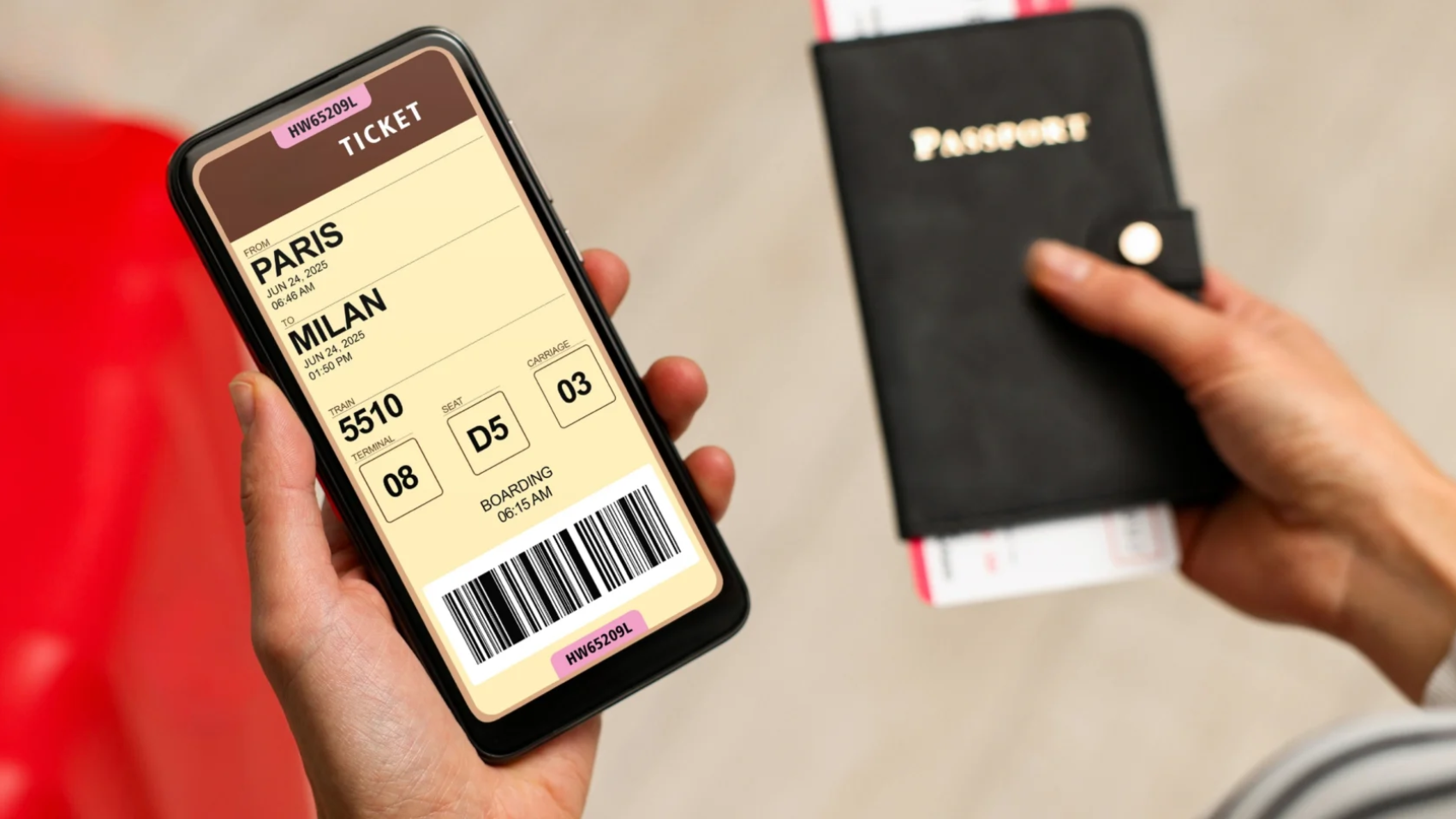


When flight disruptions occur, passengers don’t want apologies — they want options. Over the past few years, the biggest shift in airline customer behavior has been their desire for control during irregular operations (IROPS). In 2025, this became unmistakably clear: 67–72% of passengers opted for self-service tools during disruptions.
This insight reveals something powerful about modern travelers: during uncertainty, they trust technology more than wait times, queues, or manual processes. And for airlines, empowering passengers through a robust self service portal for airline disruptions is becoming the new foundation of operational resilience.
As airlines work to modernize recovery workflows, they are increasingly adopting advanced airline disruption management software that supports automation, real-time data, and AI-driven reaccommodation. Among these advancements, one capability stands out as the future of disruption recovery — Self-Service Re-Accommodation.
Key Takeaways
- Self-service is no longer an optional feature, but a guest expectation.
- Passengers re-accommodate themselves faster than agents can, reducing queues and call-center load.
- AI-supported self-service reduces rebooking errors and speeds up network recovery.
- Self-service portals significantly elevate NPS during IROPS because passengers feel in control.
- In 2025, self-service usage during disruptions surpassed self-service usage during regular bookings.
What is a Self-Service Portal?
A Self-Service Portal is a digital platform that empowers passengers to manage their own travel disruptions instantly — without waiting for call-center agents or standing in airport queues. Through this portal, passengers can:
- View delay or cancellation information
- Explore other flights
- Create a new trip option
- Request vouchers, refunds or seats
- Receive real-time confirmations
A modern Self-Service Portal integrates with reservation systems, crew and aircraft availability, and real-time operational data. It also supports multilingual communication and accessibility across mobile, app, web, and chatbots. Most importantly, it enables self service reaccommodation, allowing passengers to rebook themselves in seconds instead of minutes.
In 2025, self-service evolved from a customer-experience enhancement to a core operational requirement for managing disruption at scale.
Why Self-Service Re-Accommodation Is Becoming the Airline Standard
Normally, 68% of the passengers are booking digitally.
During disruptions, that number surges to 72%, demonstrating a critical behavior shift: passengers want immediate answers when they feel uncertain.
Here’s why self-service re-accommodation is becoming essential:
- Passengers want control
When faced with cancellations or delays, passengers prefer choosing their own alternatives rather than waiting for agents.
- Faster compared to manual processing
A passenger can complete a self-service transaction within a minute, compared to several minutes when handled manually by airline support staff.”
- Reduces Stress
When passengers see real-time options, transparency increases and frustration decreases.
- Checklist Operational Staff Support
During IROPS peaks, self-service can handle thousands of requests before agents even begin processing queues.
As airlines work to streamline disruption workflows, they increasingly rely on integrated solutions like airline management software that support seamless recovery automation.
How Self-Service Re-Accommodation Works During Disruptions
A well-designed self-service flow mirrors what an OCC or airport agent would do — but faster, and driven by AI and real-time system data.
- Alternative Flight Choices in Real-Time
Passengers instantly view available choices based on inventory, network viability, and connection health. This is where airlines surface the best reaccommodation flight options to reduce onward disruption.
- AI-Recommended Best Match
The system auto-suggests options based on SSR, VIP value, connection risk, loyalty tier, and fare class. These intelligent suggestions significantly reduce the friction of manual browsing.
- Confirmation and Reissue
Once a passenger selects an option, e-tickets, boarding passes, and itineraries update instantly.
- Automated Notifications
Passengers receive automated updates across SMS, WhatsApp, and email — ensuring they never miss critical information during irops reaccommodation workflows.
Self-Service v/s Manual Rebooking: Why Airlines Prefer Automation
The difference between manual and automated rebooking becomes especially visible during large-scale disruptions:
Manual booking | Self-service reaccommodation |
Takes minutes per PNR | Takes Seconds |
Requires staff availability | 24/7 Automated |
High risk of human error | Zero touch consistency |
Causes queues and stress | Reduces airport congestion |
Limited visibility | Real time inventory accuracy |
This shift has influenced many airlines to adopt modern airline disruption management solutions that unify automation, intelligence, and communication.
How VoyagerAid Enables True Self-Service Re-Accommodation
VoyagerAid was designed for one purpose: to put control back into passengers’ hands while supporting OCC, crew, and customer service teams with real-time operational intelligence.
Here is how VoyagerAID transforms self-service recovery:
- Integrated Passenger Data & SSR Prioritization
VoyagerAid applies a smart scoring model that evaluates passenger importance (SSR, infants, VIP, connections), ensuring recovery decisions remain fair and optimized.
- Real-Time Inventory and Network Impact
VoyagerAid considers inbound/outbound rotations, aircraft readiness, crew legality, and airport restrictions before suggesting options — a capability few tools offer.
- Automated Rebooking + Manual Override
VoyagerAid enables self service reaccommodation while allowing airline support staff to override individual PNRs when needed.
- Automating Notification End-to-End
Passengers receive instant updates as soon as their new journey is confirmed — helping airlines maintain transparency and calm during the recovery process.
- Single Business Recovery
Passenger recovery is just one piece. VoyagerAid also represents:
- Aircraft swap logic
- Crew reallocation
- Maintenance delays
- HOTAC accommodation
This ecosystem-level intelligence positions VoyagerAid as a comprehensive flight disruption management system, not just a rebooking tool.
Benefits for Airlines: Why Self-Service Is No Longer Optional
Airlines embracing self-service portals gain measurable operational and customer experience advantages:
- Reduction of up to 60% call-center volume
- Smaller queues at airports during IROPS
- Faster recovery for multi-flight disruptions
- Lower operational cost per passenger
- Greater accuracy compared to manual processes
- Higher NPS and customer trust
- Airline support teams spend time only on complex scenarios.
The growing demand for flexibility is pushing airlines to adopt modern airline disruption management system architectures that support automation and real-time recovery decisions.
The Future of Disruption Recovery: Passenger-Controlled Journeys
As AI and automation further develop, airlines can expect: Predictive disruption alerts that generate recovery options before the delay is official NLP-driven passenger interactions that feel human Network-aware re-accommodation that optimizes for cost, satisfaction, and connections. Greater use of intelligent, self-service platforms for handling large-scale IROPS situations Self-service is no longer a trend – it will be the default expectation for disruption management. It will be the industry leader in efficiency, trust, and operational resilience for airlines that are early adopters.